

Before the operation
Use PSA trend, MRI, biopsy mapping, grade group and staging to brief the surgeon quickly. A second opinion is easier when your reports are organized.
Surgery-focused specialist finder
An Anonamed directory concept linked with DetectProstateCancer.com and TheHospitals.org.
A practical resource for men already considering radical prostatectomy or wanting a second opinion: find experienced prostate cancer surgeons nearby, or farther away if expertise, volume, access or technique matters.
External map search
Google Maps can be useful for directions, but it may show general urologists or unrelated doctors. Treat the map as an external search tool, not verified results. For prostate cancer surgery, the important questions are experience with radical prostatectomy, nerve-sparing, robotic/open approach, lymph-node dissection, salvage pathways and access to radiation/medical oncology opinions.
This directory relies on listed profiles first. Add a location to open or load an external Google Maps search; unrelated map results are Google noise, not recommendations.
Before choosing surgery
Most men reach this point after discussion with a GP, urologist, radiation oncologist or cancer team. This site is mainly for second opinions, comparing nearby and distant expertise, and preparing better questions about radical prostatectomy, robotic vs open technique, nerve-sparing, lymph nodes, continence, erectile function and follow-up.
Use PSA trend, MRI, biopsy mapping, grade group and staging to brief the surgeon quickly. A second opinion is easier when your reports are organized.
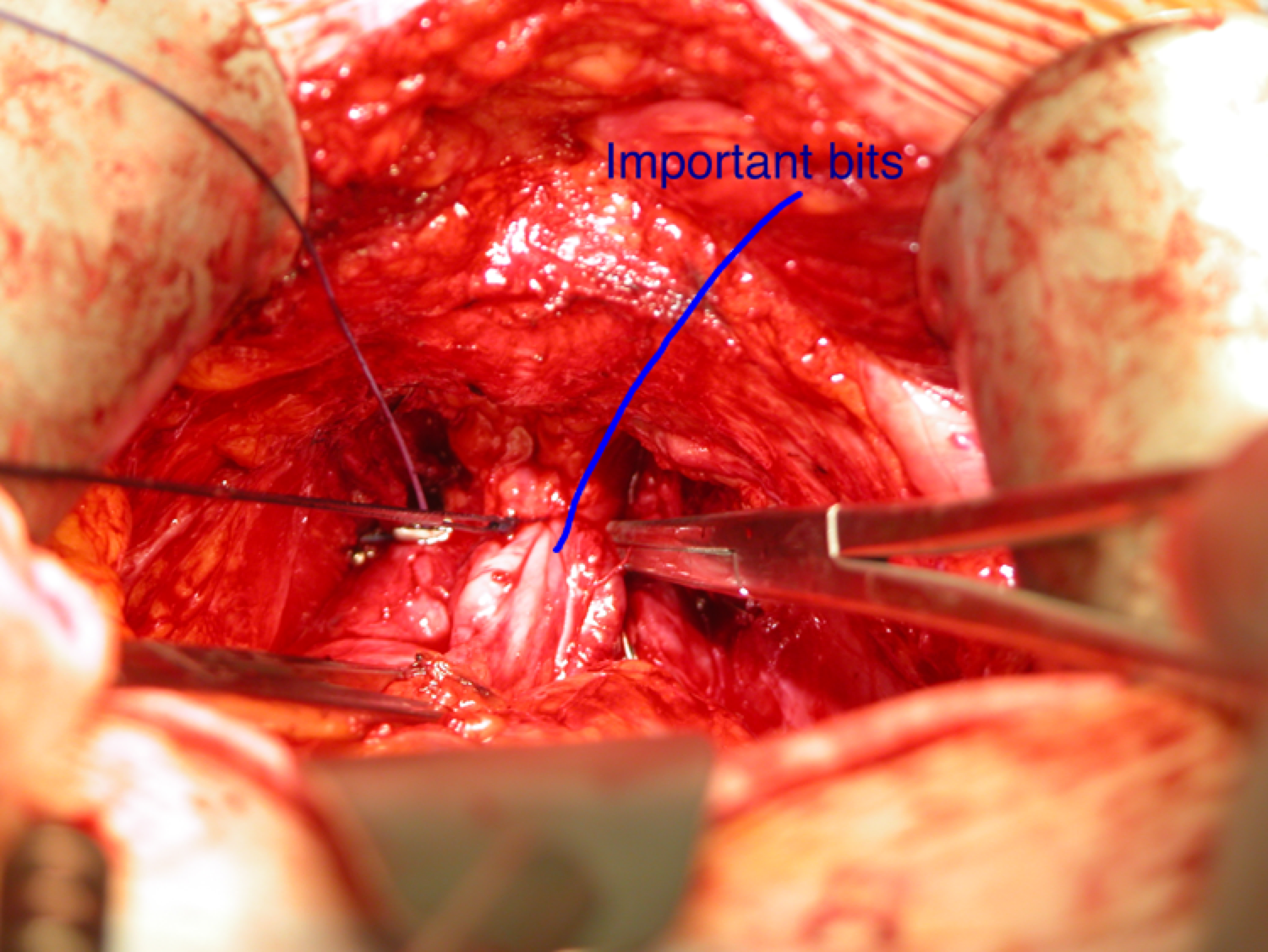
Ask about surgeon volume, robotic vs open experience, nerve-sparing criteria, positive-margin rates, lymph-node dissection, blood loss, conversion plans and how the team protects continence and erectile function.
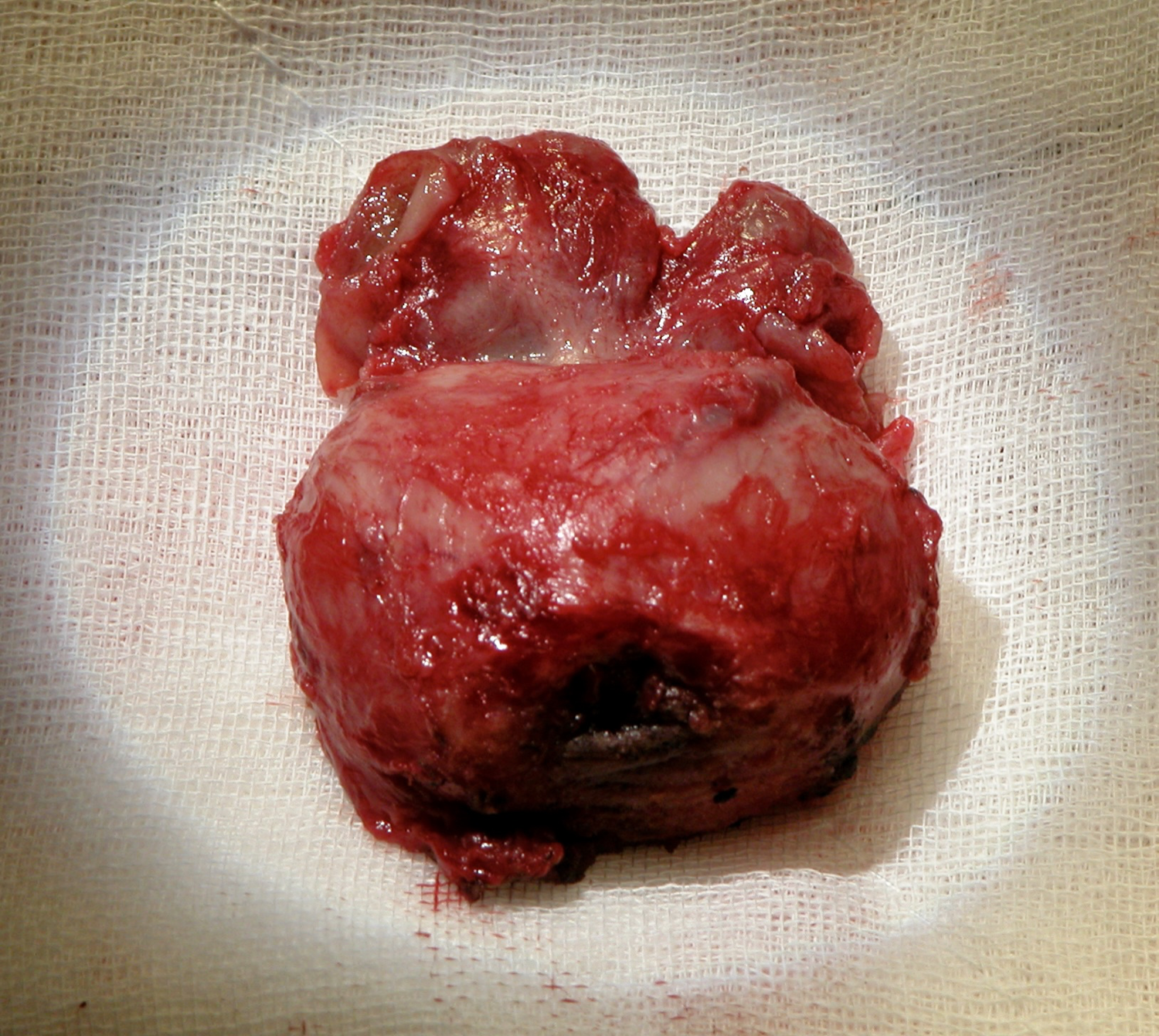
Good follow-up covers pathology margins, seminal vesicles, extracapsular extension, node status, PSA becoming undetectable, biochemical recurrence thresholds and when early salvage radiotherapy is considered.
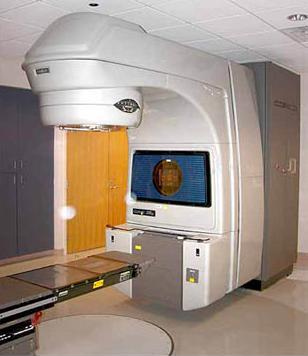
For a common operation with lifelong side effects, it can be worth comparing a local surgeon with a high-volume centre, especially for younger men, high-risk disease, unusual anatomy or strong nerve-sparing priorities.
Transparency standard
Patients should not have to choose a surgeon by marketing claims alone. Ideally, listings would include annual prostatectomy numbers, approach used, case mix, margin rates, complication rates, continence and erectile-function outcomes, recurrence data, follow-up duration and realistic costs. These numbers must be interpreted fairly because high-risk surgeons often treat harder cases, but absence of data is still useful information.
Number of radical prostatectomies per year, robotic/open split, years doing the operation, and whether the surgeon also performs salvage or complex cancer cases.
Positive margins by risk group, node-dissection practice, pathology review, biochemical recurrence rates and survival or metastasis-free follow-up where available.
Transfusion, infection, readmission, return to theatre, urine leak/stricture, thromboembolism, rectal injury, conversion from robotic/open and hospital stay.
Pad-free continence, mild vs major incontinence, erectile-function recovery, penile rehabilitation, orgasm/sexual sensation counselling and patient-reported outcomes.
Surgeon, assistant, anaesthesia, hospital, robot/device fees, pathology, imaging, excess/gap fees and likely costs if complications or salvage radiotherapy occur.
For prostate cancer surgery, at least two opinions is sensible. One can be local; the other may be a high-volume centre or surgeon farther away if the decision is difficult.
Finder
Try: robotic prostatectomy, open surgery, nerve sparing, high-risk disease, salvage prostatectomy, lymph nodes, continence, erectile function, PSMA PET, second opinion. The aim is to point patients toward the right sort of surgeon or multidisciplinary team.
For clinicians and practices
Submit a short pending profile for ProstateCancerSurgeons.com. Listings should describe real clinical services, locations and special interests. Profiles are reviewed before any public listing or implied verification.
For patients
Use this as a printable or email-ready enquiry for a prostate cancer surgeon. For radical prostatectomy, at least two opinions is sensible: one may be local and one may be from a higher-volume centre or surgeon farther away. In Australia and New Zealand, a GP/doctor referral is usually needed for Medicare/insurance pathways; in the USA, self-referral may be possible depending on insurance and practice rules. This static page does not upload, store or transmit scans/reports; attach documents in your own email app only if you choose.
Connected resources
DetectProstateCancer.com covers PSA, MRI, biopsy, grade group, active surveillance, radiotherapy, surgery, side effects and recurrence. This directory is the next step: finding a surgeon or centre to discuss radical prostatectomy or a second opinion.
Before referral
Ask about annual and lifetime radical prostatectomy volume, robotic and open experience, and whether outcomes are audited.
Ask about positive margins by risk group, continence, erectile function, transfusion, complications, readmission and follow-up PSA results.
For intermediate or high-risk disease, a radiation oncologist and medical oncologist may add useful perspective before surgery.
Ask how biochemical recurrence is monitored, when salvage radiotherapy is considered and whether PSMA PET is used early.